The Best Things To Do In Paris
Expert picks from someone who actually knows the city — no filler, no generic lists.
Find What You're Looking For
Top 20 Things To Do In Paris
Ranked by impact. Every entry is specific, honest and opinionated.
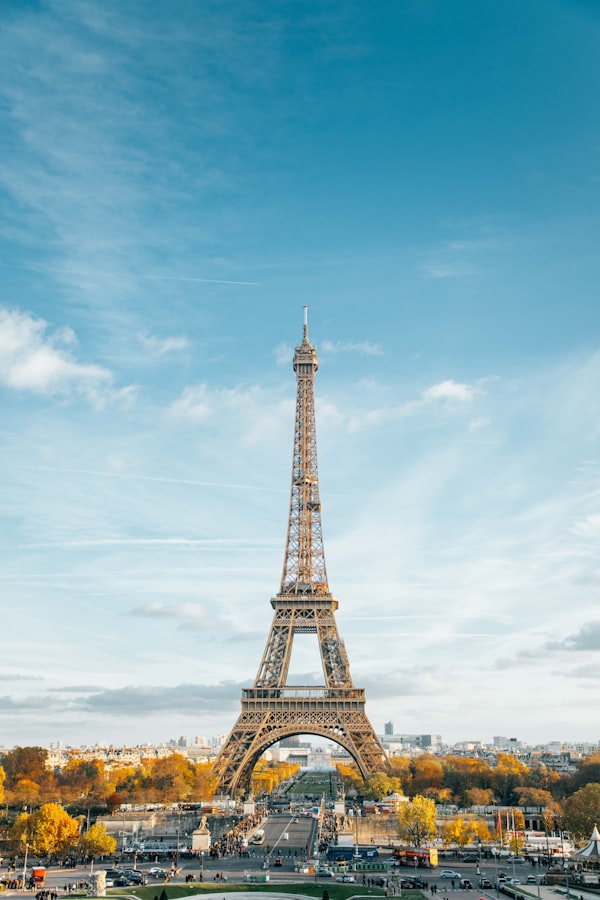
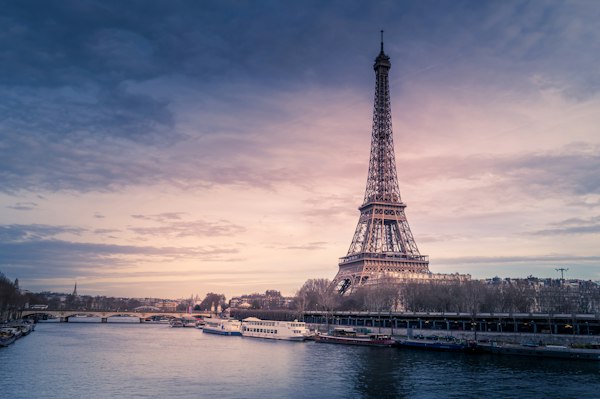
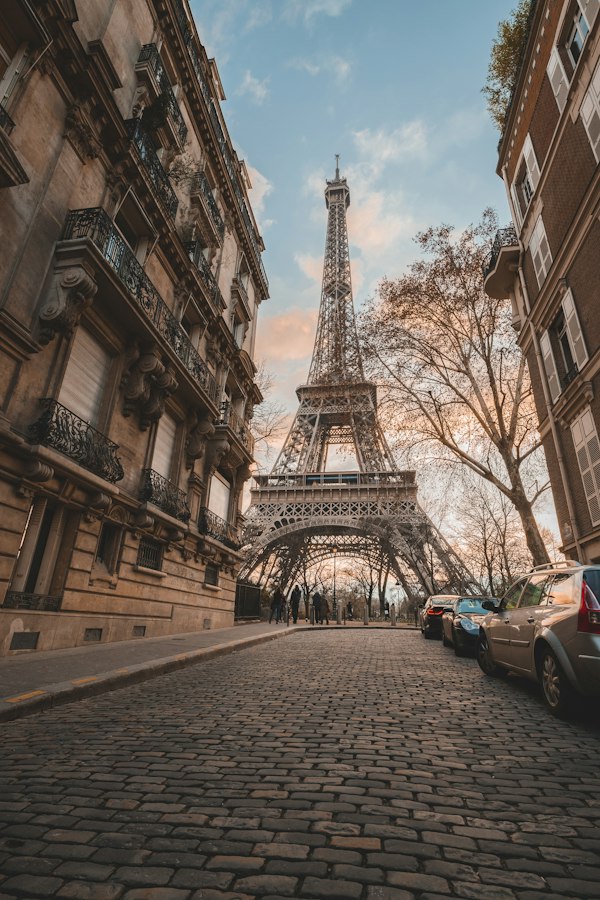
Eiffel Tower
Either the most romantic thing you've ever done or the most disappointing. The key is going up — not just looking at it. Second floor has the best balance of height and view. Summit on a clear day is spectacular. Book 2–3 months ahead in summer.
The Louvre
8.9 million visitors a year make the Louvre the world's most visited museum. The Mona Lisa is smaller than you expect and surrounded by 30 people holding up phones. Go anyway — and see the Winged Victory of Samothrace and the Venus de Milo instead. They're better.
Musée d'Orsay
Impressionism's greatest hits in a converted 19th-century railway station. Van Gogh, Monet, Renoir, Degas — and the building itself is spectacular. Book ahead; queues are significant.
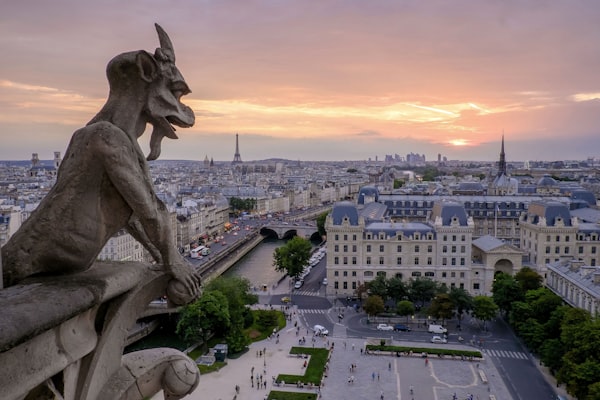
Notre-Dame Cathedral
Reopened December 2024 after the 2019 fire. The restoration is extraordinary — the spire taller and more ornate than the original. Free entry to the cathedral; tickets needed for towers and treasury.
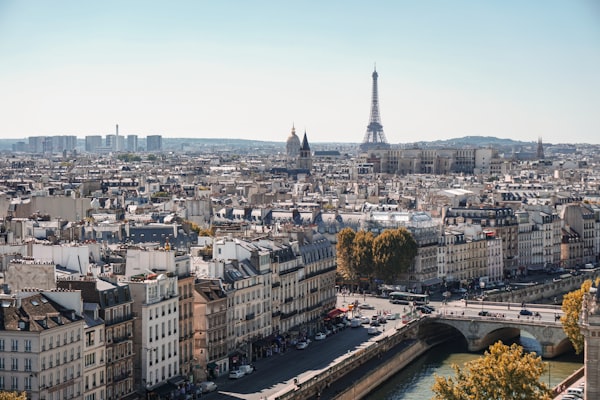
Montmartre & Sacré-Cœur
Walk up (or take the funicular) to the white basilica. The real draw is the neighbourhood — the vineyard, the studios where Picasso and Modigliani worked, the Place du Tertre, Amélie's café.
Le Marais
Paris's most compelling neighbourhood. Medieval streets, the Place des Vosges (oldest planned square in Paris, 1612), the Jewish Quarter on Rue des Rosiers — best falafel in Europe at L'As du Fallafel — galleries, concept stores.
 Basile Morin / CC BY-SA 4.0
 Palace of Versailles
40 minutes from Paris. The Hall of Mirrors alone is worth it. Go on a Tuesday when it's closed to most school groups. The gardens are free without a ticket on weekdays.
Sainte-Chapelle
The most beautiful stained glass in the world. 15 Gothic windows of extraordinary coloured glass, built in 1248 to house Christ's Crown of Thorns. Genuinely jaw-dropping. Far less visited than Notre-Dame.
 Alf van Beem / CC0
 Centre Pompidou
Inside-out building housing Europe's largest collection of modern art. The Matisse cut-outs alone are worth the ticket. The free view from the piazza is also spectacular.
Seine River Cruise
Bateaux Mouches or Vedettes du Pont-Neuf. Best at sunset or after dark when the city lights up. The view of Notre-Dame, the Louvre, Musée d'Orsay from the water is unlike anything else.
 Guilhem Vellut / CC BY 2.0
 Luxembourg Gardens
60 acres of formal French gardens in the 6th arrondissement. The model sailboats on the octagonal pond (you can rent them), the Medici Fountain, the beehives — Luxembourg honey sold at the park gates.
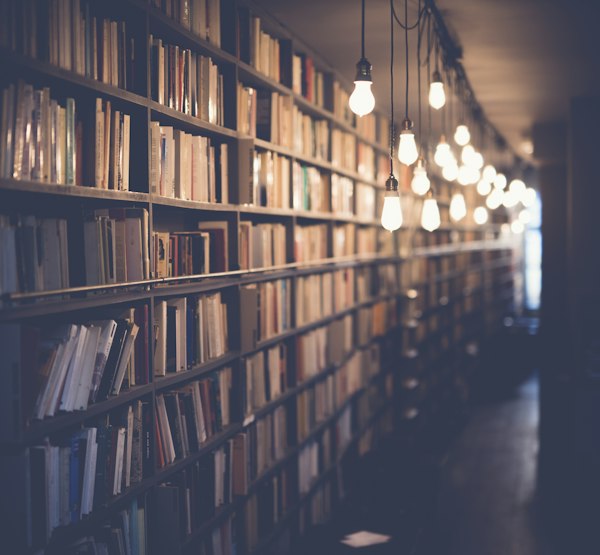
Shakespeare and Company
The world's most famous English-language bookshop, on the Seine opposite Notre-Dame. Free to browse, extraordinary atmosphere, readings upstairs. The cats are residents.
Canal Saint-Martin
The canal with its iron footbridges and tree-lined banks. The neighbourhood is genuinely Parisian — cafés, boutiques, picnics on the canal bank. Best on a Sunday afternoon when the roads are closed to cars.
 Mbzt / CC BY 3.0
 Palais Royal Gardens
Behind the Louvre. The gardens are beautiful and the arcades house extraordinary shops — Didier Ludot for vintage couture, antiques. Daniel Buren's striped columns in the courtyard are divisive but photogenic.

Rue Mouffetard
The oldest market street in Paris. Saturday and Sunday mornings, fresh produce, cheese, bread. Leads into Place de la Contrescarpe, one of the Left Bank's great squares. Hemingway drank here.
Père Lachaise Cemetery
Jim Morrison, Oscar Wilde, Edith Piaf, Marcel Proust, Frédéric Chopin, Molière. 110 acres of extraordinary Victorian funerary architecture. Get a map at the entrance.
Musée de l'Orangerie
Monet's Water Lilies, painted specifically for these two oval rooms. The most meditative room in Paris. Smaller and quieter than the Orsay — criminally undervisited.
Galeries Lafayette Rooftop
Go to the top floor for a free 360° view of Paris. The Art Nouveau dome inside is extraordinary. The food hall in the basement is the best in Paris.
Evening Walk: Pont des Arts to Pont Neuf
Best evening walk in Paris. Cross at sunset, walk the left bank, end at Café de Flore for a glass of wine. The city at dusk from the river is the Paris everyone imagines.
Cooking Class or Wine Tasting
Paris food and wine experiences are the best use of €60–100 you'll spend. Ritz Escoffier cooking school, Le Foodist, or O Chateau wine tasting — all outstanding.
Paris Itineraries
Ready-made plans for every length of trip.
1 Day One Perfect Day In Paris
Eiffel Tower at dawn, Notre-Dame, Sainte-Chapelle, Marais falafel, Montmartre at sunset.
- Eiffel Tower first entry slot
- L'As du Fallafel for lunch
- Sainte-Chapelle stained glass
- Montmartre at golden hour
2 Days Two Days In Paris
The Louvre, Musée d'Orsay, Eiffel Tower and the Marais — Paris's greatest hits done properly.
- Louvre without the overwhelm
- Musée d'Orsay Impressionists
- Seine cruise at sunset
- Dinner at Au Pied de Fouet
3 Days Three Days In Paris
Everything above plus Versailles or Monet's Water Lilies, Canal Saint-Martin and Père Lachaise.
- Full day at Versailles
- Monet's Water Lilies at l'Orangerie
- Canal Saint-Martin on Sunday
- Père Lachaise & Belleville evening
Where To Stay In Paris
The right arrondissement makes a huge difference. Le Marais for atmosphere, Saint-Germain for classic Paris, Canal Saint-Martin for local life. We break it all down.
Paris FAQ: The Questions Everyone Has
Yes and no. The city is genuinely beautiful — the architecture, the river, the light — and a candlelit dinner in a good bistro is hard to beat. But the tourist crowds at major sites can be brutal in July and August. Go in April, May, September or October and the romantic Paris of cliché is very much real.
It's a major European capital, so yes. A decent sit-down lunch in a non-tourist bistro runs €15–25 per person. Museum tickets are €14–20. The good news: many major sights are free (Notre-Dame cathedral, all the parks, Galeries Lafayette rooftop), and the Paris Visite or Navigo transport pass makes getting around cheap. Budget €100–150 per person per day including accommodation.
Three days is the minimum to feel like you've seen Paris rather than just ticked boxes. Five days lets you breathe — a day trip to Versailles, a slow morning in the Marais, time to get lost. A week means you can actually live in the city for a while, which is when Paris really rewards you.
April to June and September to October. The weather is mild, the light is extraordinary, and the crowds are manageable. July and August are hot and packed with tourists — the French have largely left for the coast. December has its own charm: Christmas markets, fewer tourists, and the city looks spectacular lit up at night.
Yes, Paris is a safe city for tourists. The main risk is petty theft — pickpocketing on the Metro (especially line 1), at major tourist sites, and on the RER B from CDG airport. Use a money belt or inside pocket for your passport and cards. The tourist areas are busy and well-policed. Like any major city, some outer areas require more awareness after dark, but you're unlikely to venture there as a visitor.